Internet Archive: The Art Museum of the Digital Era
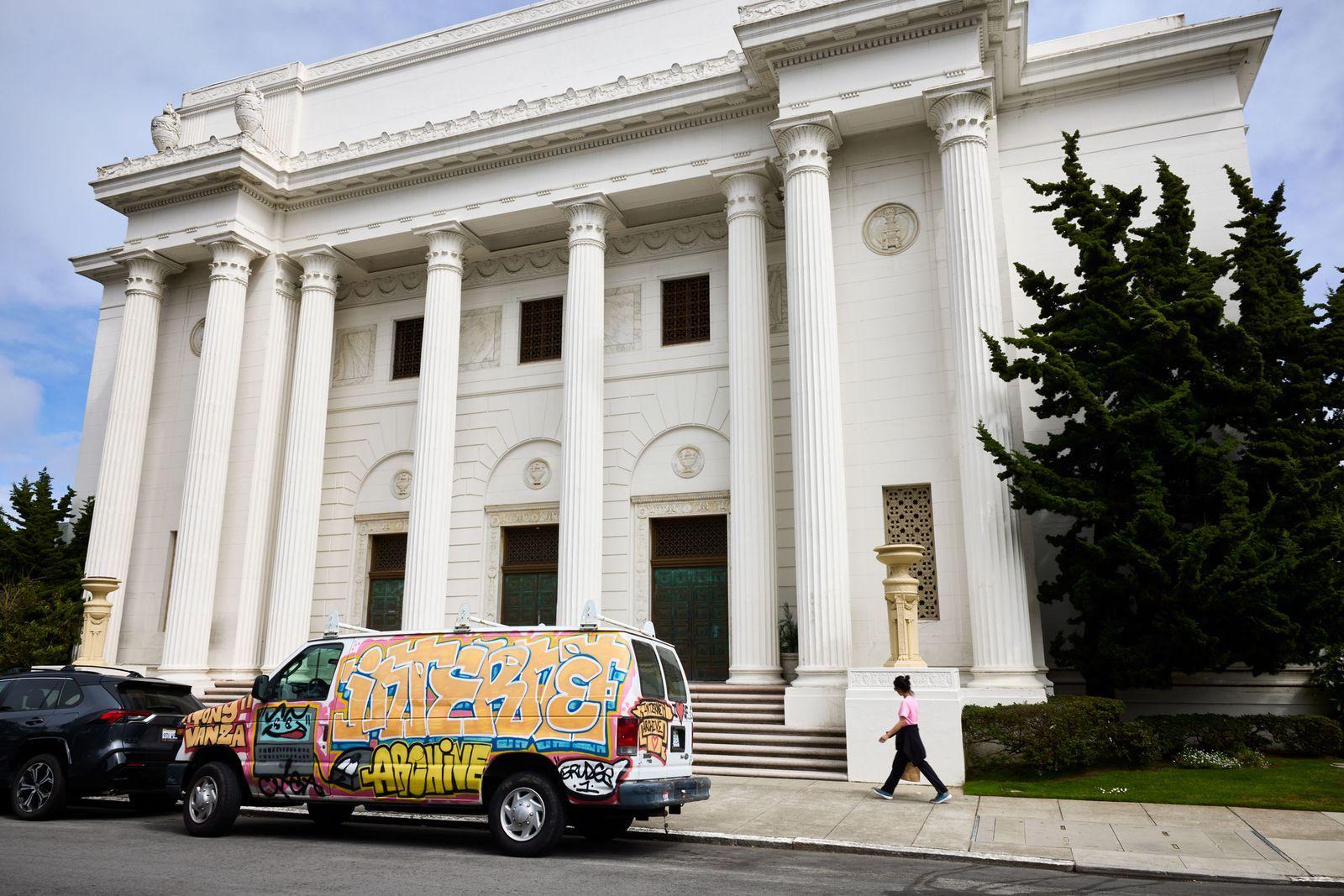
Crowned by many as the modern-day Library of Alexandria, the ‘Internet Archive’ – a non-profit operating out of a former church in San Francisco - is the sole keeper of past records of the internet, a tool that, in a few decades, has become the greatest asset of humanity, used regularly by nearly 74% of the global population. With its first ever document being the ‘Internet Explorer’ download page, all the way in 1996, on the date of its establishment, throughout the past 30 years the archive has grown relative to the internet’s growth, holding over 200 petabytes of data as of 2026; both from their ‘Wayback Machine’, which gives users the opportunity to ‘go back in time’ and explore how websites looked at any given point in the history of the World Wide Web, to their archive of user-fed data, containing millions of images, documents, and videos added to it over the last 30 years. This makes it one of the largest libraries in both physical and digital existence, rivalled exclusively by the Library of Congress in the United States. Consider it like this - if you clicked on a page of the archive every single second, after 100 non-stop years you would’ve seen 0.3% of it. That’s its true size. But it is also much more than just a ‘backup’ of all this data - it’s a collection. Virtually anything which has been released on the internet in the past 3 decades is stored here: amongst it, the single greatest collection of pirated content in existence, spanning any form of media imaginable. This has recurringly got the company into legal battles, most recently with Universal and Sony Music Groups over its illegal digitalization of content owned by them - and throughout its history with several publishers over its literary archives. These battles were lost, and as of right now, this staple of digital existence is at risk of significant data loss coming from the imposed punishments. So, as we approach this, it becomes key to dig deep into its digital bookshelves, and raise a question: similarly to how ancient fine art was recorded and discovered in the great archives of its days – be that museums, libraries, or churches - what artistry can be found within these extensive servers to represent the recent past of the Internet Era through which we are living?
Art can come from a number of places, and when it’s based in the virtual realm, this range simply expands. From photography, to videos, to 3D modelling – the list is endless and ever-growing. Art is created at never-before-seen rates, but when infinite supply meets limited demand, a lot remains unseen, yet to be exposed. Because of the mere scale at which this content is posted, numerous artworks which can be defining of this time in history are yet to be found - and precisely because of that, the collection which exists to garner internet history holds much more than historic value: it holds unlimited artistic value, greater than any entity in human history.
The gallery of the archive is quite substantial - so, naturally, a lot of it isn’t exactly correspondent to beauty standards. When referring to the incredible rates at which art is posted online, one cannot forget the far greater rate at which digital waste is dumped. Amongst this, it becomes terribly challenging to identify and bring to light masterworks; but if one opens their mind, a lot more than artistic perfection determines if it meets that status, now more than ever.
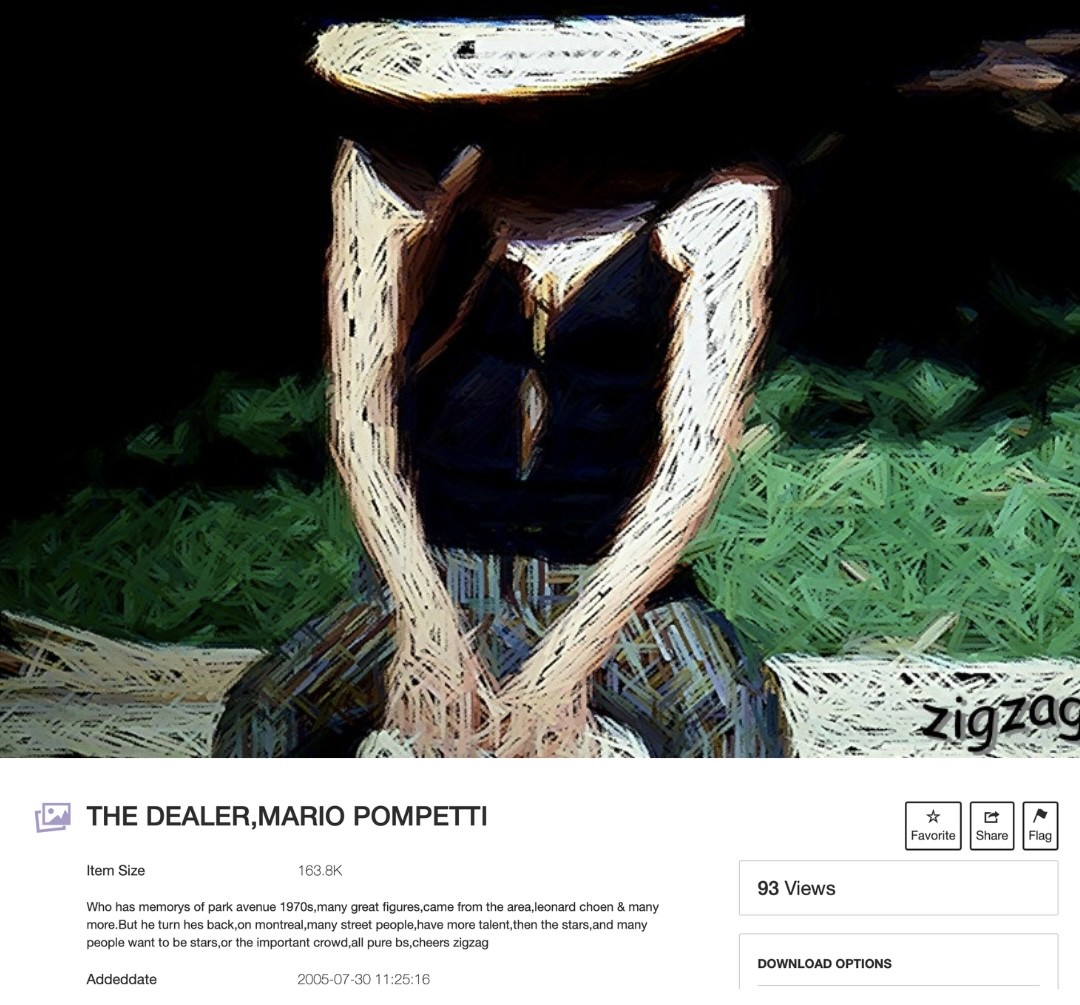
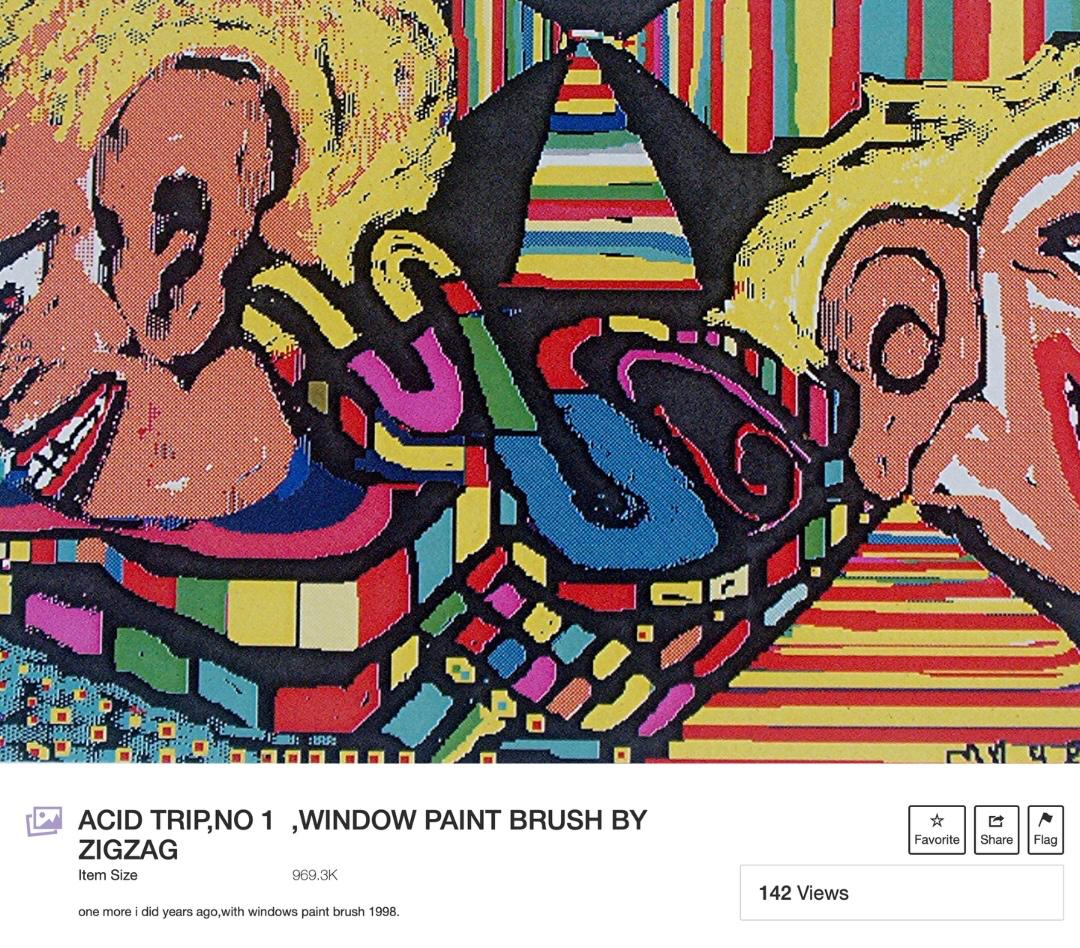
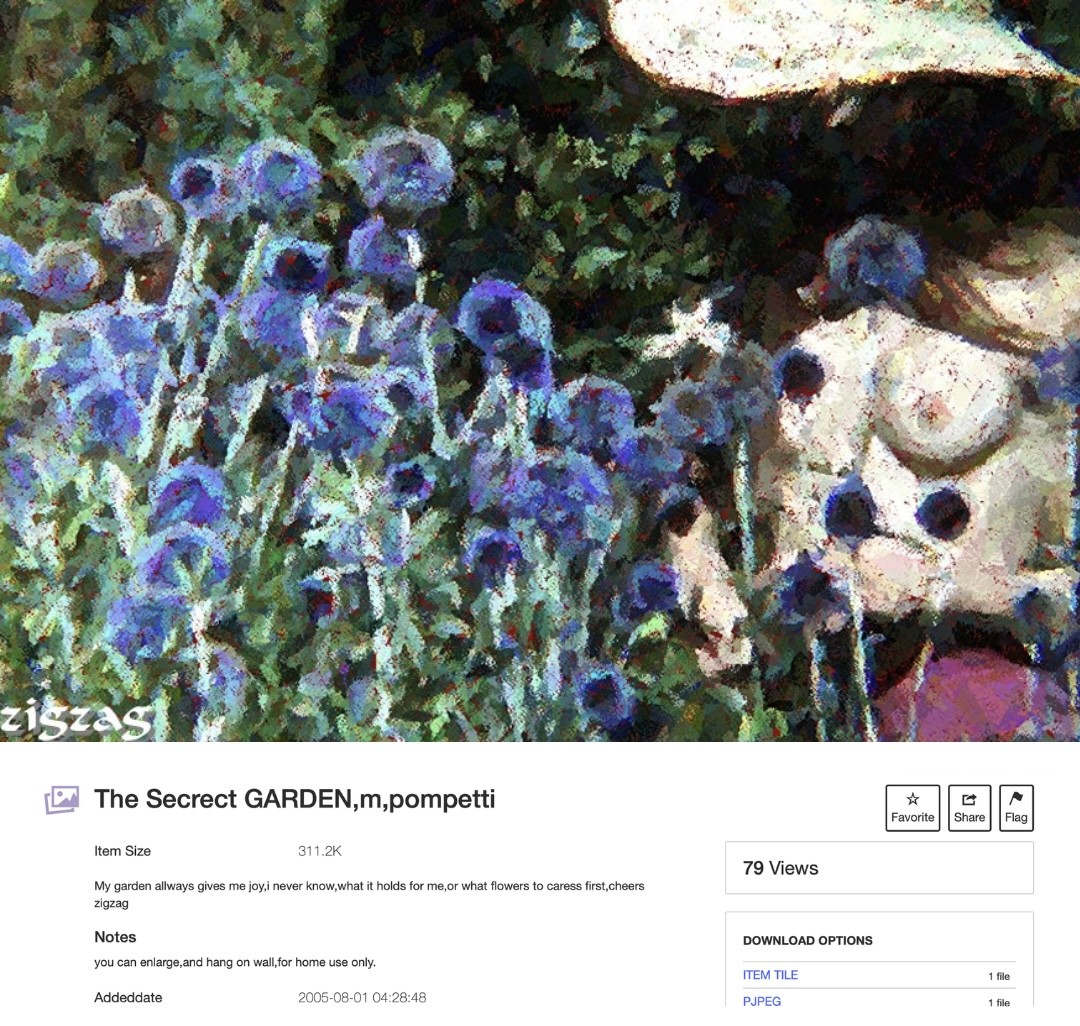
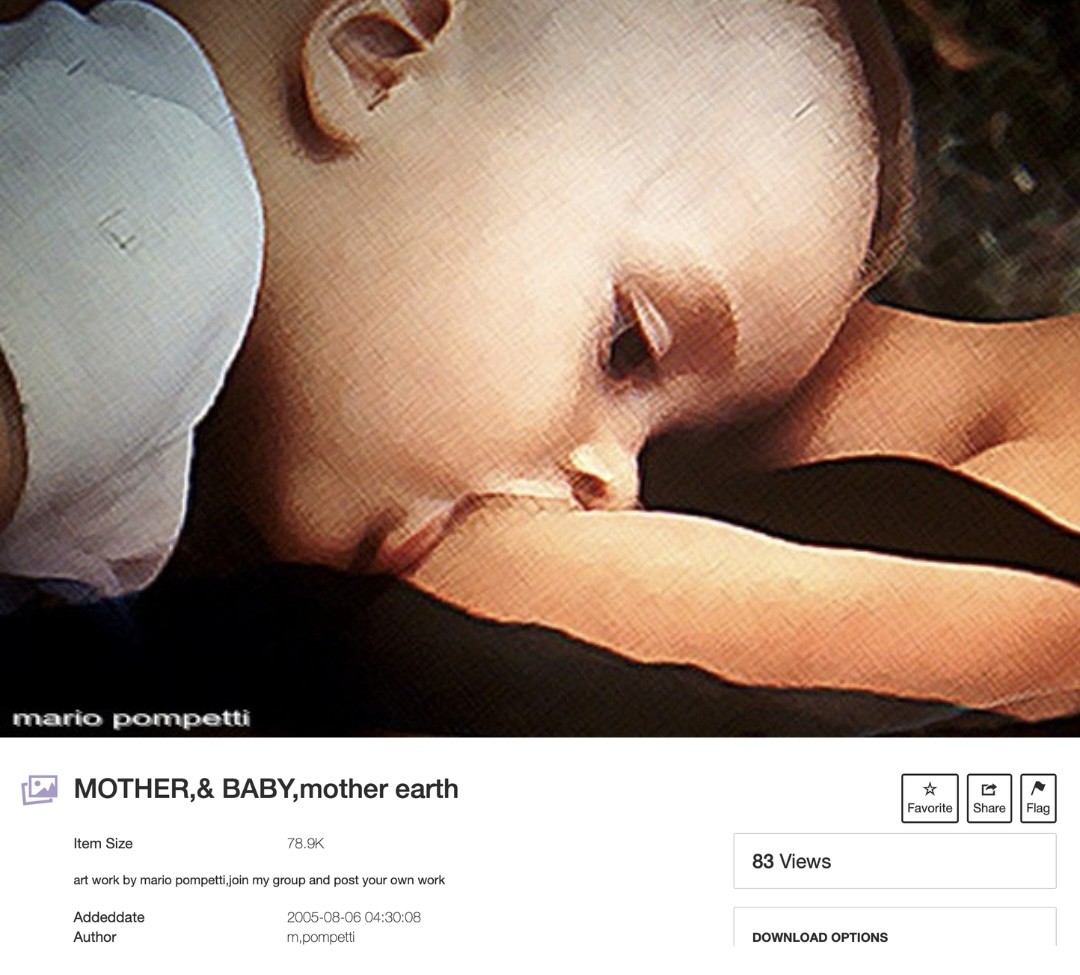
In photography, one can avoid looking for just hedonistic beauty, and understand the new form beauty has taken through technological development: the raw, real-time effect. In the past, you would only take photographs with the intent of meeting a stereotypical idea of quality; but when camera phones were introduced to the world in the year 2000, anyone became capable of snapping the exact frame they are currently living through, showing our reality to a proximity never captured before. This description represents a big part of the images archived - which most often come not by curation from the librarians, but instead from user contributions, just like much of the other media collected here. Within them you’ll find photoshoots with so much artistic authenticity, convoking real-world emotions, created by a group of friends with a flip-phone and a dream. And you’ll find thousands upon thousands of these, of which one or two will breach 1000 lifetime views. Beyond photography, painting (be that with an oil canvas or Paint 3D), is of no small number, with thousands of independent artists displaying their works on this platform exclusively, especially in the early stages of the internet. For example, a personal expedition of mine into the archives allowed me to discover a man by the username zigzag69, real name Mario Pompetti. This artist, who, according to the descriptions he left on each post of his, was married with multiple kids, experimented in a range of artistic movements, all through Windows Paint, starting in 1998. Past painting, he also produced a great number of micro movies, as well as photoshoots, both primarily around nudism and erotica. My exploration of his work was key in understanding the possibilities hidden in these documents - understanding that beyond entertainment value, this art truly is a crucial representation of recent times that needs to be known and present in the artworld.
Admittedly, much of what you find won’t be of much quality - in fact, it might look like searching for a needle in a haystack. Except, if you keep looking after you find the first, you’ll find you can build your own haystack out of all the needles you find. The archive hosts generations of independent films which never got the budget to be released, and which hold stories and production more enticing than billion-dollar projects, with its actors wielding the raw talent of the kind facing extinction in cinema; it hosts music which never reached the public, with a melody more hypnotizing than any trending single; and literature, so immaculate, of a genius comparable to the greats, which remains unread. The keyword to accessing these being if you keep looking; because only by exploring it can we reveal the secrets lying within.
Photo credits: Mario Pompetti, WIRED
Crowned by many as the modern-day Library of Alexandria, the ‘Internet Archive’ – a non-profit operating out of a former church in San Francisco - is the sole keeper of past records of the internet, a tool that, in a few decades, has become the greatest asset of humanity, used regularly by nearly 74% of the global population. With its first ever document being the ‘Internet Explorer’ download page, all the way in 1996, on the date of its establishment, throughout the past 30 years the archive has grown relative to the internet’s growth, holding over 200 petabytes of data as of 2026; both from their ‘Wayback Machine’, which gives users the opportunity to ‘go back in time’ and explore how websites looked at any given point in the history of the World Wide Web, to their archive of user-fed data, containing millions of images, documents, and videos added to it over the last 30 years. This makes it one of the largest libraries in both physical and digital existence, rivalled exclusively by the Library of Congress in the United States. Consider it like this - if you clicked on a page of the archive every single second, after 100 non-stop years you would’ve seen 0.3% of it. That’s its true size. But it is also much more than just a ‘backup’ of all this data - it’s a collection. Virtually anything which has been released on the internet in the past 3 decades is stored here: amongst it, the single greatest collection of pirated content in existence, spanning any form of media imaginable. This has recurringly got the company into legal battles, most recently with Universal and Sony Music Groups over its illegal digitalization of content owned by them - and throughout its history with several publishers over its literary archives. These battles were lost, and as of right now, this staple of digital existence is at risk of significant data loss coming from the imposed punishments. So, as we approach this, it becomes key to dig deep into its digital bookshelves, and raise a question: similarly to how ancient fine art was recorded and discovered in the great archives of its days – be that museums, libraries, or churches - what artistry can be found within these extensive servers to represent the recent past of the Internet Era through which we are living?
Art can come from a number of places, and when it’s based in the virtual realm, this range simply expands. From photography, to videos, to 3D modelling – the list is endless and ever-growing. Art is created at never-before-seen rates, but when infinite supply meets limited demand, a lot remains unseen, yet to be exposed. Because of the mere scale at which this content is posted, numerous artworks which can be defining of this time in history are yet to be found - and precisely because of that, the collection which exists to garner internet history holds much more than historic value: it holds unlimited artistic value, greater than any entity in human history.
The gallery of the archive is quite substantial - so, naturally, a lot of it isn’t exactly correspondent to beauty standards. When referring to the incredible rates at which art is posted online, one cannot forget the far greater rate at which digital waste is dumped. Amongst this, it becomes terribly challenging to identify and bring to light masterworks; but if one opens their mind, a lot more than artistic perfection determines if it meets that status, now more than ever.
In photography, one can avoid looking for just hedonistic beauty, and understand the new form beauty has taken through technological development: the raw, real-time effect. In the past, you would only take photographs with the intent of meeting a stereotypical idea of quality; but when camera phones were introduced to the world in the year 2000, anyone became capable of snapping the exact frame they are currently living through, showing our reality to a proximity never captured before. This description represents a big part of the images archived - which most often come not by curation from the librarians, but instead from user contributions, just like much of the other media collected here. Within them you’ll find photoshoots with so much artistic authenticity, convoking real-world emotions, created by a group of friends with a flip-phone and a dream. And you’ll find thousands upon thousands of these, of which one or two will breach 1000 lifetime views. Beyond photography, painting (be that with an oil canvas or Paint 3D), is of no small number, with thousands of independent artists displaying their works on this platform exclusively, especially in the early stages of the internet. For example, a personal expedition of mine into the archives allowed me to discover a man by the username zigzag69, real name Mario Pompetti. This artist, who, according to the descriptions he left on each post of his, was married with multiple kids, experimented in a range of artistic movements, all through Windows Paint, starting in 1998. Past painting, he also produced a great number of micro movies, as well as photoshoots, both primarily around nudism and erotica. My exploration of his work was key in understanding the possibilities hidden in these documents - understanding that beyond entertainment value, this art truly is a crucial representation of recent times that needs to be known and present in the artworld.
Admittedly, much of what you find won’t be of much quality - in fact, it might look like searching for a needle in a haystack. Except, if you keep looking after you find the first, you’ll find you can build your own haystack out of all the needles you find. The archive hosts generations of independent films which never got the budget to be released, and which hold stories and production more enticing than billion-dollar projects, with its actors wielding the raw talent of the kind facing extinction in cinema; it hosts music which never reached the public, with a melody more hypnotizing than any trending single; and literature, so immaculate, of a genius comparable to the greats, which remains unread. The keyword to accessing these being if you keep looking; because only by exploring it can we reveal the secrets lying within.
Photo credits: Mario Pompetti, WIRED
Mar 16, 2026
Mar 16, 2026