Artistic Aura in Modern Pop Culture
In modern day, it is not uncommon to hear the term aura thrown around. In fact, for the past few years, the youth have heavily appropriated this word in reference to the spiritual ideology of the energy someone gives off. However, it isn’t exactly that — aura in a spiritual sense refers to one’s uniqueness and captivating energy, whilst its neo-definition revolves much closer to another Gen-Z buzzword: nonchalance — a relaxed, mysterious persona is what most characterizes a contemporary aura-full individual. This classification is much more like that which German philosopher Walter Benjamin presented in The Work of Art in the Age of Mechanical Reproduction, as “a unique phenomenon of a distance, however close it may be.” Essentially, this suggests that something can attain a status of aura by, even when in front of others, holding a sense of authenticity and value that makes it feel exclusive. And when you understand Benjamin’s original intent with this work, it becomes clear why and how it has resurged in the past few years under this definition.
The original essay, released in 1935, existed partially as a critique of the development of technologies such as photography and film. Benjamin suggested that, as the mass reproduction of art became possible through these mediums, its unique presence would fade. Its value would transition from a cult-like appreciation — as pieces of worship existing exclusively as their authentic, original selves — to commodities, carrying only exhibitionary value, replicated and available worldwide. The idea of a unique space and existence would vanish, and therefore art’s aura, dependent on a work’s unicity and authenticity, would decay. Fast forward nearly 100 years, and global content reproduction is at its peak. With the existence of the internet, all art forms are available to anyone, anywhere — there is literally no distance from them. And to an extent, this is extraordinary — artistic consumption has become democratic and populist, and cultural industries have skyrocketed, becoming global financial powerhouses. The rate at which we consume creative content is unprecedented, and its variety of styles and formats is unlimited. And with this, an algorithm was created to expose us to this content in a personally tailored sense. But in this era, virality holds much greater value than ever before, and it results in an algorithmic convergence — into a powerful mainstream where the same content is exposed to billions.
But this has not been fully accepted. In fact, it increasingly is not. Society constantly clashes conformity and individuality, and as everyone is exposed to the same media, we approach sameness. And in this shadow grows a need for a sense of self. When this arises, people seek out countercultural movements. A form of this opposition to behavioral norms is the aforementioned nonchalance, a defining trait of aura. Consumers seek distance and exclusivity; they seek authenticity — an image that nobody else has. Through this, the cult value art used to carry returns, where it becomes a form of life and not merely entertainment we consume absentmindedly. So, as humans do, people seek out leaders for inspiration and guidance, now with very specific novel traits: absence and mystery.
Typical celebrity culture operates through the appeasement of fans by continuously offering them entertainment, as well as by giving them access to personal lives. Fame is erected upon the concrete of parasocial attachment, and most choose to build that through constant interaction. Now, it’s different. A significant demographic of cultural consumers is finding that less is more — that artistic consumption is more pleasurable if their favorite artists limit their releases, creating much greater enthusiasm and exclusivity. The curious part is that this doesn’t come from a system of quality over quantity, but from one of suspense and continuous provocation, conducive to an intermittent reinforcement relationship — where occasionality and unpredictability maximize affection. Nonetheless, there is much more that an artist must do to allow for a truly cult-like following: more than absence, they must have an identity that complements this specific attribute.
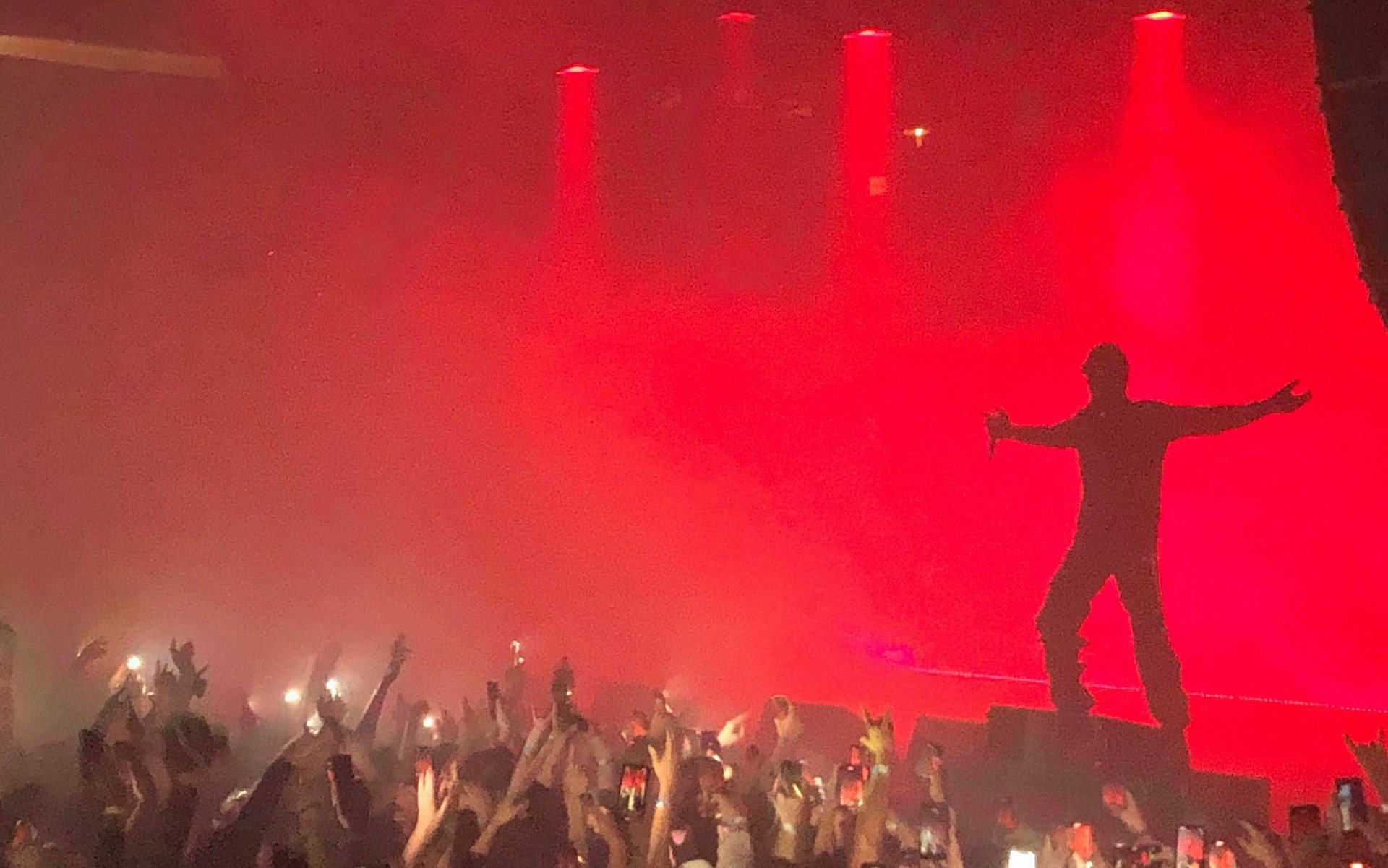
But which specific characteristics suggest such a trait? How can someone physically appear insouciant when it is, in itself, a feature of one’s attitude? For starters — just as mainstream personalities use it to define their energy — fashion naturally takes priority in this. In fact, it does even more so than in popular culture, where uniqueness is less valuable than in countercultural movements, rising from a need for singularity. This was visible in the past with the grunge movement, where Vivienne Westwood stood as an icon alongside her musical counterparts by reason of her punk couture, which centered itself around provocative stylistic choices directly criticizing those in power — pure teen angst. It was rebellious, and therefore precisely what the bohemians of her time were in search of. Today is no different. The rise of the opium aesthetic in the early 2020s dictated a new flavor of rebellion, basing itself around avant-garde labels such as Rick Owens and Demna Gvasalia’s Balenciaga. This was led by Playboi Carti, given that the visual style is named after his music label, OPIUM. But this was just the start. From Carti's digital synth sound emerged the subgenre of rage, opening the doors for a new generation of artists, which, as a consequence of their aggressive melodies, are naturally less appealing to the general public. With this new generation, presence isn’t merely complemented by luxury — it is consumed within it, to a much deeper and more personal level than ever before seen in public figures. It isn’t a matter of simply buying designer labels and wearing personally tailored pieces — fans expect knowledge of a house’s history and collections; inspiration for how to dress through deep cuts, not mainstream appropriation. They mustn’t merely follow trends but create them — and with it, a ridiculous spike in the value of any piece they touch. Demand rises so steep that a mountain climber wouldn’t go near them.
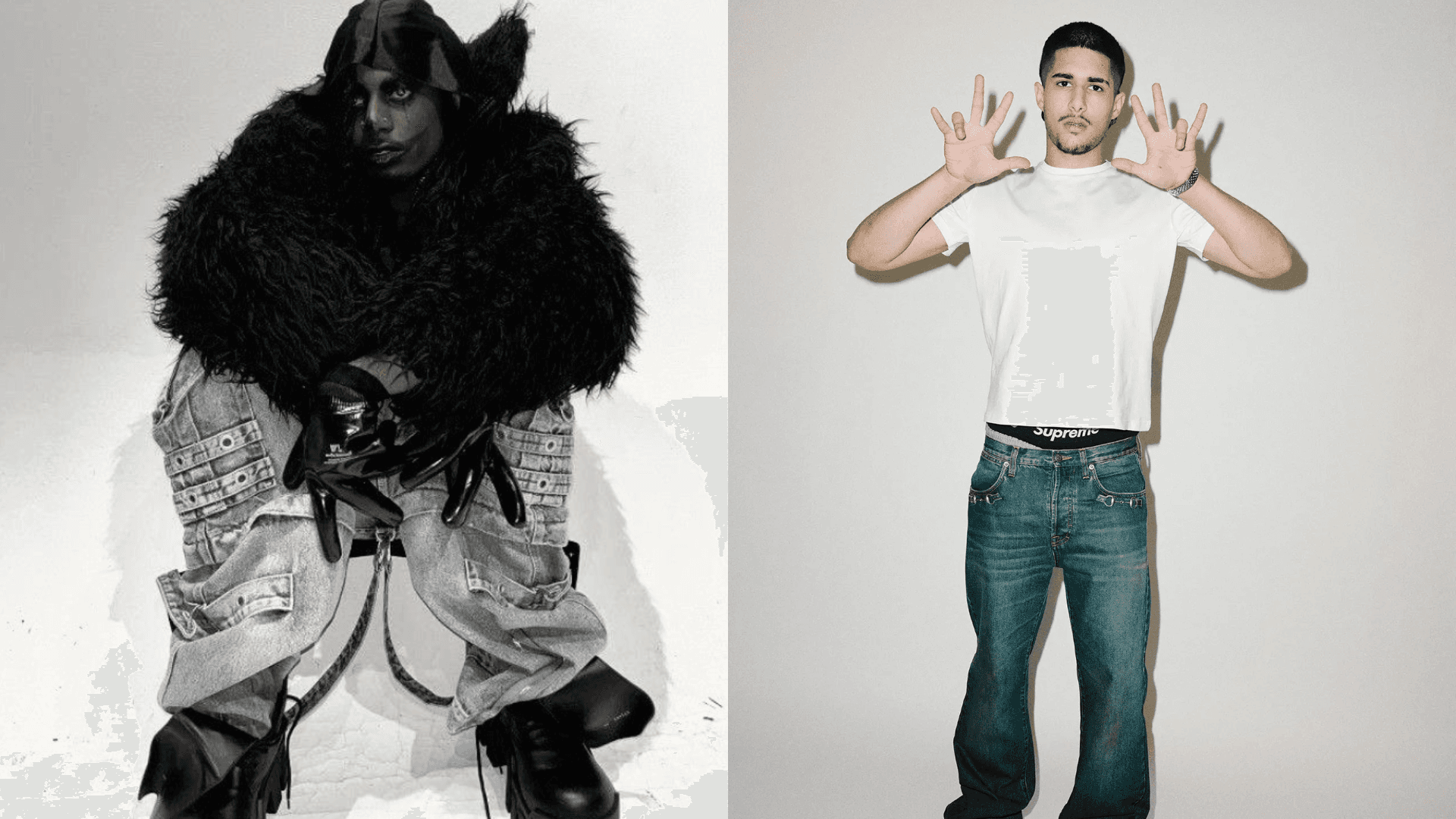
Still, this alone doesn’t relate to distant aura. It explains the appeal in regard to individuality, but not how this makes an artist appear nonchalant. To achieve this, one must take a step back from the previous paragraph. These artists should appear incredibly knowledgeable and influential, creating and leading the micro-trend market. But how is this attainable without being loud about it? Essentially, despite creating the look, they shouldn’t attempt to top it.
Their stylistic appearance should seem effortless — it can’t be excessive or overly accessorized or worked; looks must appear raw and put together with little thought. It must almost seem as if they were born with this knowledge and carry it to such great lengths that they need not prove it to anyone. They exert more influence by avoiding the look of a fashion influencer, seeking not complexity but inherency in their style. Only through replication by their followers is that extent ever seen, never from the celebrities themselves. This creates the obsessive appeal of recognizing the artist as fashion divinity through the most historically successful form of dictatorship: a distant, near-mythical existence.
This grows heavily with a detached social presence — excessive posting reduces attention span and engagement; detachment gives each post a unique, historic identity and influence on the future. This includes not indulging fans in the inner workings of their lives or in the creation of short-form content.
And so, the final form of the modern-day aura is fully realized when the third brain-rot buzzword of this writing enters the conversation: glazing. There are few forces on any social network with the PR capability of glaze — a term Merriam-Webster defines as “to suggest not just that someone’s praise is over-the-top, but that it is unwarranted.” Fans will always support and overrate their favorite artists work — so essentially, much like religious leaders, these stars obtain an indestructible reputation. Artistic output — meaning both work and stylistic appearance — is analyzed with the preconceived notion of genius and is therefore worshipped regardless of quality or presentation. Influence is almighty at this stage.
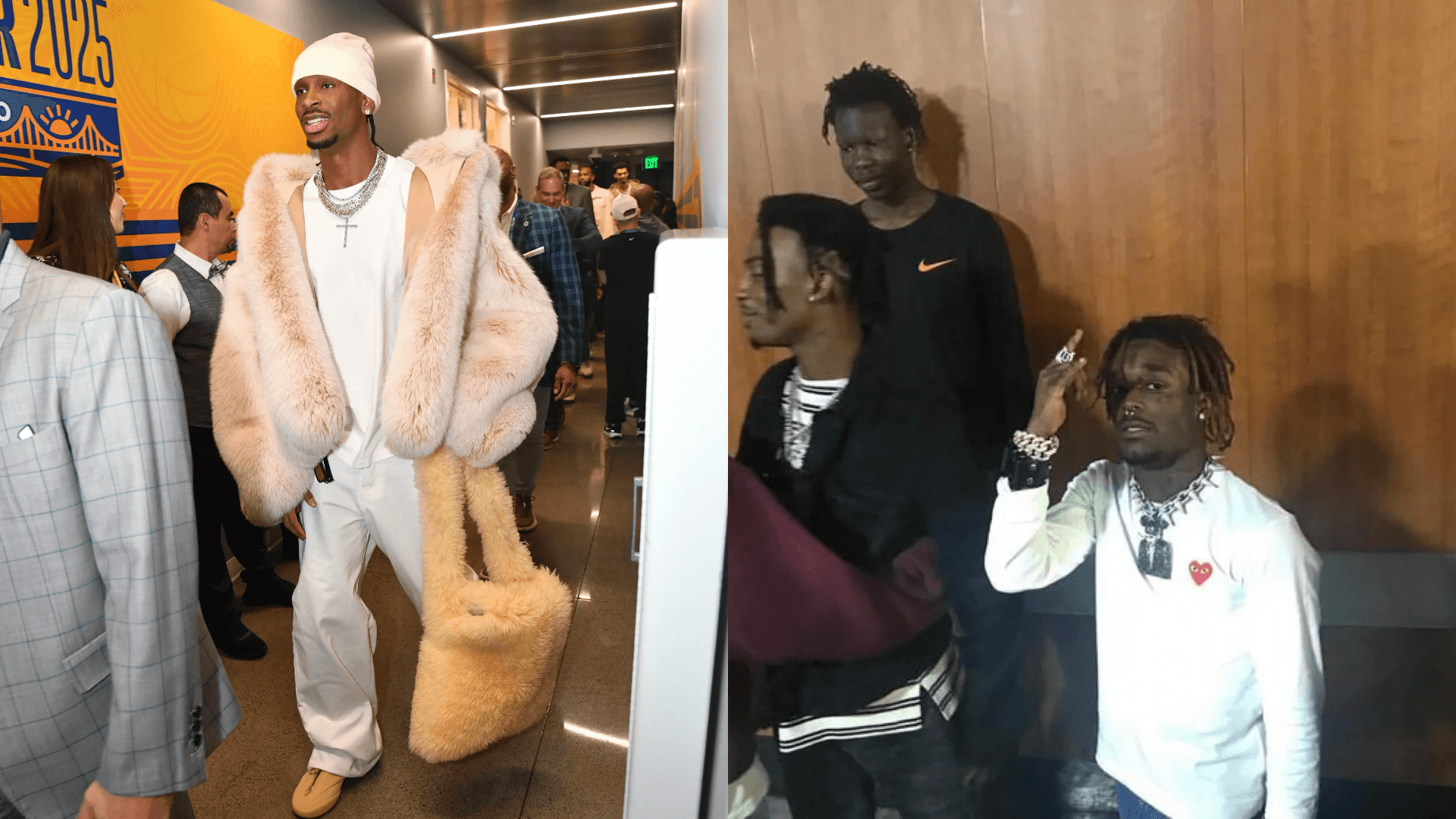
The countercultural movement has spread so greatly that even outside of the arts celebrities have begun leveraging Benjamin’s aura, with a number of athletes pursuing that fashion-genius, unconcerned persona. A great example of this is NBA All-Star Shai Gilgeous-Alexander, who seamlessly and iconically blends athleticism and fashionability whilst maintaining a discreet public presence. Another basketball star heavily recognized for this is Bol Bol, who gained rep in the hip-hop scene through his friendship with a number of mysterious artists, including Playboi Carti himself, and eventually adopted a similar brand image himself.
Distance is a capital good, and this new era of superstars want as much of it as possible. It is truly an interesting point in the history of celebrity culture, and a necessary evolutionary step for many upcoming artists — primarily those growing in the underground and counter-culture of art. Fans are evolving, and for the first time since the industrialization of the arts, less is more.